
Peptide research in plain language
We explain what has actually been studied about peptides, where the research stands today and what it cannot tell you yet. Sources are visible, the editorial team is responsible for the content, and we sell nothing.
- Sources on every page
- Mistakes corrected
- Partner links labelled
- AI assistance disclosed
Sections
Start here. If peptides are new to you, start with the beginner’s guide. Every substance has its own page in Peptides A-Z, the blends are under Blends and all guides under Guides.
Beginner's guide
What peptides are and how to read research.
02Peptides A-Z
One clear page per substance, same structure every time.
03Side effects and safety
What studies reported and when to see a doctor.
04Dosing and calculators
Doses used in studies or official dosing, with sources, and a unit converter. No recommendations.
05Mixing and storage
Reconstitution, bacteriostatic water and storage.
06Quality and testing
Reading a COA and independent testing.
07Law and regulators
Finnish law: Fimea, customs, the Criminal Code and doping.
08Glossary
Terms every page links to.
Most searched substances
These substances are asked about often. Each substance page sets out the research and the approval status with sources.
NAD+ (not a peptide)
A cellular coenzyme. Evidence mainly from precursors, not NAD+ injections.
No marketing authorisationGHK-Cu (copper peptide)
A copper-binding tripeptide. Cosmetic ingredient, not studied as an injection.
No marketing authorisation, on Fimea's medicines listRetatrutide
An investigational drug acting on three hormone receptors, phase 3 trials under way.
No marketing authorisationBPC-157
A 15-amino-acid peptide studied mainly in animals.
No marketing authorisation, on Fimea's medicines listSemax
A peptide based on an ACTH segment. Studied mainly in Russian publications, no EU marketing authorisation.
No marketing authorisationTirzepatide (Mounjaro)
Acts on GIP and GLP-1 receptors. Authorised medicine for diabetes and weight management.
Approved medicineMOTS-c
Mitochondria-derived peptide. Evidence mainly from mice, banned in sport.
No marketing authorisationPT-141 (bremelanotide)
A melanocortin agonist. Approved in the US for low sexual desire in women, not in the EU.
Approved in the US, not in the EUMelanotan II
A synthetic alpha-MSH analogue. No marketing authorisation, only small human studies.
No marketing authorisation, on Fimea's medicines listWOLVERINE (blend)
A blend whose composition rests on sellers' declarations. We know of no published study of the product.
Seller-declared, untestedLatest videos
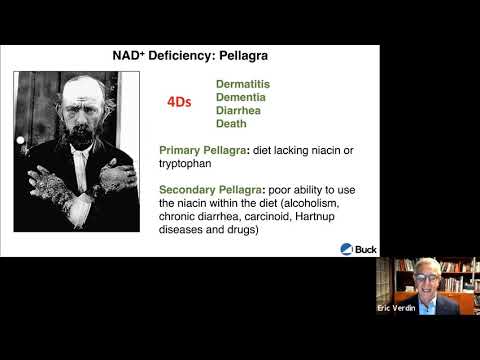
The videos are published by third parties and are not advice from this site.


Latest
The most recently published and updated articles. Each one has numbered sources and an update date.
BPC-157 vs TB-500: what is the difference?
Guide, updated 15 Oct 2026Exercise mimetics: AICAR, SLU-PP-332 and MOTS-c
Guide, updated 15 Oct 2026Weight-loss drugs (GLP-1): semaglutide, tirzepatide, liraglutide
Peptides A-Z, updated 15 Oct 20265-Amino-1MQ: research, side effects and dosage in studies
Peptides A-Z, updated 15 Oct 2026AICAR (acadesine): research, side effects and dosage in studies
Peptides A-Z, updated 15 Oct 2026ARA-290 (cibinetide): research, side effects and dosage in studies
Peptides A-Z, updated 15 Oct 2026Cerebrolysin: stroke trials, harms and authorisation status
Blends, updated 15 Oct 2026CJC-1295 + ipamorelin blend: contents and what is known
Guide, updated 14 Oct 2026What does a weight-loss drug cost in Finland and how do you get one? Wegovy, Mounjaro and Saxenda
All guides: basics, skin, weight-loss drugs, law and quality
Newsletter
Once a month: new studies and regulator news. No ads.
Telegram channel
A ping when a new article is published. Read-only, no chat.
Peptide forum
A discussion space without seller links or discount codes. The forum is not open yet, but you can already read its rules.
Read the forum rules